Selasa, 05 Maret 2013

[M844.Ebook] Download Women Crime Writers: Eight Suspense Novels of the 1940s & 50s: A Library of America Boxed Set, by Sarah Weinman

Download Women Crime Writers: Eight Suspense Novels of the 1940s & 50s: A Library of America Boxed Set, by Sarah Weinman

This is several of the advantages to take when being the participant and obtain guide Women Crime Writers: Eight Suspense Novels Of The 1940s & 50s: A Library Of America Boxed Set, By Sarah Weinman right here. Still ask just what's different of the various other website? We supply the hundreds titles that are created by recommended authors and authors, around the world. The link to purchase and also download Women Crime Writers: Eight Suspense Novels Of The 1940s & 50s: A Library Of America Boxed Set, By Sarah Weinman is also extremely simple. You may not discover the challenging site that order to do even more. So, the method for you to get this Women Crime Writers: Eight Suspense Novels Of The 1940s & 50s: A Library Of America Boxed Set, By Sarah Weinman will be so simple, will not you?

Women Crime Writers: Eight Suspense Novels of the 1940s & 50s: A Library of America Boxed Set, by Sarah Weinman

Women Crime Writers: Eight Suspense Novels of the 1940s & 50s: A Library of America Boxed Set, by Sarah Weinman


Women Crime Writers: Eight Suspense Novels of the 1940s & 50s: A Library of America Boxed Set, by Sarah Weinman

Download Women Crime Writers: Eight Suspense Novels of the 1940s & 50s: A Library of America Boxed Set, by Sarah Weinman

New upgraded! The Women Crime Writers: Eight Suspense Novels Of The 1940s & 50s: A Library Of America Boxed Set, By Sarah Weinman from the most effective writer and also author is now offered below. This is guide Women Crime Writers: Eight Suspense Novels Of The 1940s & 50s: A Library Of America Boxed Set, By Sarah Weinman that will make your day checking out ends up being finished. When you are searching for the printed book Women Crime Writers: Eight Suspense Novels Of The 1940s & 50s: A Library Of America Boxed Set, By Sarah Weinman of this title in guide shop, you could not locate it. The troubles can be the limited editions Women Crime Writers: Eight Suspense Novels Of The 1940s & 50s: A Library Of America Boxed Set, By Sarah Weinman that are given up guide shop.

When getting this publication Women Crime Writers: Eight Suspense Novels Of The 1940s & 50s: A Library Of America Boxed Set, By Sarah Weinman as recommendation to read, you can get not simply inspiration however also brand-new understanding and also driving lessons. It has more than usual perks to take. What kind of book that you review it will work for you? So, why should get this e-book qualified Women Crime Writers: Eight Suspense Novels Of The 1940s & 50s: A Library Of America Boxed Set, By Sarah Weinman in this article? As in link download, you can get the e-book Women Crime Writers: Eight Suspense Novels Of The 1940s & 50s: A Library Of America Boxed Set, By Sarah Weinman by on-line.

When obtaining guide Women Crime Writers: Eight Suspense Novels Of The 1940s & 50s: A Library Of America Boxed Set, By Sarah Weinman by on the internet, you can read them anywhere you are. Yeah, even you are in the train, bus, waiting checklist, or various other areas, on the internet e-book Women Crime Writers: Eight Suspense Novels Of The 1940s & 50s: A Library Of America Boxed Set, By Sarah Weinman can be your buddy. Each time is a great time to read. It will boost your understanding, fun, amusing, driving lesson, and also experience without spending more money. This is why on-line publication Women Crime Writers: Eight Suspense Novels Of The 1940s & 50s: A Library Of America Boxed Set, By Sarah Weinman becomes most desired.

Be the initial which are reviewing this Women Crime Writers: Eight Suspense Novels Of The 1940s & 50s: A Library Of America Boxed Set, By Sarah Weinman Based upon some reasons, reading this publication will provide more advantages. Also you have to read it pointer by action, page by web page, you could complete it whenever as well as wherever you have time. Once again, this online e-book Women Crime Writers: Eight Suspense Novels Of The 1940s & 50s: A Library Of America Boxed Set, By Sarah Weinman will provide you easy of checking out time and also activity. It also offers the experience that is cost effective to reach as well as acquire substantially for far better life.

Women Crime Writers: Eight Suspense Novels of the 1940s & 50s: A Library of America Boxed Set, by Sarah Weinman

The Library of America and editor Sarah Weinman redefine the classic era of American crime fiction with a landmark collection of eight brilliant novels by the female pioneers of the genre, the women who paved the way for Gillian Flynn, Tana French, and Lisa Scottoline.���

Though women crime and suspense writers dominate today’s best seller lists, the extraordinary creations of the mid-century female pioneers of the genre are largely unknown. Their work, influential in its day and still vibrant and extraordinarily riveting, is long overdue for rediscovery. Now The Library of America makes these classic books available in a deluxe two-volume collector’s edition.

From the 1940s, here are Vera Caspary’s famous career girl mystery Laura; Helen Eustis’s intricate campus thriller The Horizontal Man; Dorothy B. Hughes’s In a Lonely Place, the terrifyingly intimate portrait of a serial killer; and Elisabeth Sanxay Holding’s The Blank Wall, in which a wife in wartime is forced to take extreme measures when her family is threatened.

The 1950s volume includes Charlotte Armstrong’s Mischief, the nightmarish drama of a child entrusted to a psychotic babysitter; Patricia Highsmith’s brilliant The Blunderer, which tracks the perverse parallel lives of two men driven toward murder; Margaret Millar’s Beast in View, a relentless study in madness; and Dolores Hitchens’s Fools’ Gold, a hard-edged tale of robbery and redemption.

Boxed set contains:�
Women Crime Writers: Four Suspense Novels of the 1940s (Library of America #268)
Women Crime Writers: Four Suspense Novels of the 1950s (Library of America #269)

Both volumes are available separately in print and e-book editions.

  • Sales Rank: #90509 in Books
  • Published on: 2015-09-01
  • Released on: 2015-09-01
  • Original language: English
  • Number of items: 2
  • Dimensions: 8.52" h x 2.80" w x 5.36" l, .0 pounds
  • Binding: Hardcover
  • 1512 pages

Review
"This set is a must-have addition to any crime fiction fan's bookcase." —The Strand Magazine

"The novels in the anthology are page-turners, every one." —Megan Abbott

"With its gutsy, crackling eight novels, Women Crime Writers challenges the perception of American crime fiction as a genre shaped by men, and dominated by brooding male figures." —Brigit Katz, Women in the World

�"A stunning collection." —Nancy Bilyeau, The Big Thrill

�"The original female crime writers every Gone Girl fan should know." —Caitlin MacDougall

About the Author
Sarah Weinman�is widely recognized as a leading authority on crime fiction. She is the editor of�Troubled Daughters, Twisted Wives: Stories from the Trailblazers of Domestic Suspense�(Penguin, 2013), which the�Los Angeles Review of Books�called “simply one of the most significant anthologies of crime fiction, ever.” She is the news editor for�Publishers Marketplace�and her work has appeared in The�New York Times,�The Wall Street Journal, the�National Post, the�Los�Angeles Times, and�The Washington Post, among other publications. Weinman lives in Brooklyn, New York.

Most helpful customer reviews

21 of 22 people found the following review helpful.
Women Crime Writers in the Library of America
By Robin Friedman
The Library of America has been expanding the canon of classic American literature by publishing the works of obscure writers and by publishing genre writing. This new LOA two-volume box set, "Woman Crime Writers: Four Suspense Novels of the 1940's and 1950's" expands the scope of American literature it deems worthy of preservation in both ways: it includes works by little-known authors which have gone out-of-print, and it includes genre writing in the form of crime fiction which critics at one time did not take seriously. The box set includes four suspense novels from the 1940s written by four different women authors and four suspense novels from the 1950s written by an additional four women. Sarah Weinman, an authority on women's crime fiction selected and edited both volumes. Weinman has edited an earlier volume of women's crime fiction, "Troubled Daughters, Twisted Wives: Stories from the Trailblazers of Domestic Suspense".

The eight novels in this anthology are enjoyable, suspenseful, and psychologically astute. They enhanced my appreciation of American writing and of crime fiction and introduced me to several authors I didn't know. The books in the anthology are crime fiction written by women, but beyond that fact, they resist easy generalization.

The first volume includes four novels from the 1940s, and they tend to focus on the United States in the WW II years and in the immediately following years. Perhaps the single most impressive work in both volumes is Dorothy Hughes' novel, "In a Lonely Place" which tells from the inside the story of a serial killer recently returned from service in WW II. The detective who ultimately brings him down also is a WW II veteran who had been a close friend of the killer. This is a chilling, insightful novel with portrayals of the killer, the detective, and two important women: the detective's wife and the would be lady friend of the killer. In 1950, "In a Lonely Place" was made into a film starring Humphrey Bogart, but the book and author have been largely forgotten.

Elisabeth Holding's novel, "In a Blank Wall" also shows the United States during the WW II years. The primary character is a housewife whose husband is away at war. The woman, who is devoted to her family and home, becomes involved in a world of killings, crime, and potential romance. She discovers that she has the internal resources to acquit herself in the situation.

The other two books in the volume also show American life in the 1940s but are less concerned with the war. Vera Caspary's novel "Laura" tells the story of an independent career woman who is also searching for love. The novel is told from three different perspectives. Caspary's book became a famous film directed by Otto Preminger and inspired an even more famous song. But the book has been little-read and deserves to be known in its own right. Helen Eustis' "The Horizontal Man" tells the story of the murder of a young professor at an exclusive women's college. Finding the killer is of less importance in enjoying the novel than the portrayal of college life and of character that the book offers.

The 1950's volume also includes four novels, and they tend to focus on American life after the war in the 50s. The volume includes a book by a well-known author, Patricia Highsmith, "The Blunderer". Highsmith's novel, "The Talented Mr. Ripley" is included in an earlier LOA collection of noir writing from the 1950s. "The Blunderer" is set in the complacent American suburbia of the early 1950s. The book involves a twinning similar to that of "The "Talented Mr Ripley." A corporate lawyer trapped in an unhappy marriage sees a news article about a man who murdered his wife at a bus rest stop, and he is tempted to do the same. Highsmith's novel develops the relationship between the two men and the two apparent murders, as the deaths are pursued by a viciously brutal police detective.

The remaining three novels in the 1950s volume are by less well known authors with two of the books, "Beast in View" by Margaret Millar and ""Fools Gold" by Dolores Hitchens out of print at the time of the LOA volume's publication. Both of these books are finds and both are set in the Los Angeles area. Millar's novel tells the story of lonely, isolated people suffering from lack of purpose in the years following WW II. The primary character is a reclusive wealthy spinster, 30, who begins to receive threatening phone calls and the investment counselor and family friend who attempts to help her. This is a highly taut novel with strong character development and portrayals of the underside of city life.

Hitchen's "Fools Gold" is an even more obscure novel that focuses on a pair of juvenile delinquents and a young woman. The two young men see the possibility of easy money in burglarizing a home owned by an elderly woman. The young woman in the story is her ward and becomes a reluctant participant. Hard and seasoned older crooks, led by a ex-convict called Big Tom attempt to muscle in on the job. With the punks and the crooks working against each other, the heist unravels. In this book, as in the other books in the anthology, plot is secondary to character. This book became the basis of a 1964 film by Jean-Luc Goddard, "Band of Outsiders" but the book has been neglected.

The remaining book in the collection, "Mischief" by Charlotte Armstrong also is best-known for its film adaptation in 1952's "Don't Bother to Knock" starring Marilyn Monroe. The book shows in part the contrast between big city and small time life. An editor and his wife and nine year old daughter are in New York City for a convention. While in their hotel, they hire a babysitter unknown to them who proves to be psychotic and threatening to their child. The book show how people tend to be isolated from one another and reluctant to become responsible or involved with other people. The threat to the young girl works to bring people together and helps them to understand and appreciate their relationships to one another.

Sarah Weinman and the LOA deserve praise for this excellent box set. It collects and makes accessible books and authors worth reading and preserving. The set will enhance the reader's appreciation and understanding of American creativity and of the scope and diversity of the thought and writing our country has produced. The box set includes short biographies of each of the eight authors. Sarah Weinman's own discussion of the anthology and comments by other writers on each of the eight books are included on the LOA website. The Library of America kindly sent me a review copy of this box set.

Robin Friedman

9 of 9 people found the following review helpful.
Lots of Great Fun in this Boxed Set
By David Crumm
I'm a long-time collector of Library of America editions, especially having followed their mystery/noir publications and volumes on historic eras of journalism and public documents. I have their entire Philip Roth series and also the special set of "books" from classic Broadway shows. I say that to underline the importance of this publishing effort over many years. I like the look and feel of these editions. They're convenient to carry and read and this new edition is more of the same -- a top-rate set of books.

In the mystery-noir genres, I've found myself reading twice through the earlier Crime Novels set (1883011493). And now I'm certain I may read these more than once over the years. I'm very familiar with some of these classics, Laura especially, and I'm discovering some new gems I haven't read before.

I'm writing this review to suggest a way to enjoy this set with a friend. In this case, I'm going through these with my wife, who also loves mysteries. We're reading each one and then we're also watching the classic films made of several of these. If you're thinking about investing in this set, that's a fun way to think about it -- challenge a spouse or a friend to read with you -- and then watch the films together.

Lots of fun!

10 of 11 people found the following review helpful.
Great Stories not a great job of book printing.
By Steven Ferr�
I've only read two of the 8 stories, but am loving the style and sophistication. People really were smarter thinkers before we willingly turned over our intelligence to the on-eyed ogre that is television. My one criticism is that the copy I received has a serious printing flaw: random pages are extremely faint...barely legible.

See all 15 customer reviews...

Women Crime Writers: Eight Suspense Novels of the 1940s & 50s: A Library of America Boxed Set, by Sarah Weinman PDF
Women Crime Writers: Eight Suspense Novels of the 1940s & 50s: A Library of America Boxed Set, by Sarah Weinman EPub
Women Crime Writers: Eight Suspense Novels of the 1940s & 50s: A Library of America Boxed Set, by Sarah Weinman Doc
Women Crime Writers: Eight Suspense Novels of the 1940s & 50s: A Library of America Boxed Set, by Sarah Weinman iBooks
Women Crime Writers: Eight Suspense Novels of the 1940s & 50s: A Library of America Boxed Set, by Sarah Weinman rtf
Women Crime Writers: Eight Suspense Novels of the 1940s & 50s: A Library of America Boxed Set, by Sarah Weinman Mobipocket
Women Crime Writers: Eight Suspense Novels of the 1940s & 50s: A Library of America Boxed Set, by Sarah Weinman Kindle

Women Crime Writers: Eight Suspense Novels of the 1940s & 50s: A Library of America Boxed Set, by Sarah Weinman PDF

Women Crime Writers: Eight Suspense Novels of the 1940s & 50s: A Library of America Boxed Set, by Sarah Weinman PDF

Women Crime Writers: Eight Suspense Novels of the 1940s & 50s: A Library of America Boxed Set, by Sarah Weinman PDF

[F516.Ebook] Ebook Free Only Love Today: Reminders to Breathe More, Stress Less, and Choose Love, by Rachel Macy Stafford

Ebook Free Only Love Today: Reminders to Breathe More, Stress Less, and Choose Love, by Rachel Macy Stafford

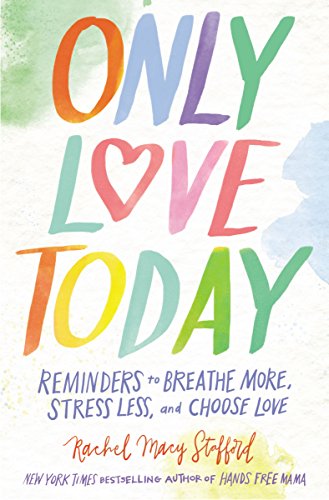
Learn the technique of doing something from numerous resources. One of them is this publication entitle Only Love Today: Reminders To Breathe More, Stress Less, And Choose Love, By Rachel Macy Stafford It is an effectively recognized book Only Love Today: Reminders To Breathe More, Stress Less, And Choose Love, By Rachel Macy Stafford that can be suggestion to review now. This recommended publication is one of the all wonderful Only Love Today: Reminders To Breathe More, Stress Less, And Choose Love, By Rachel Macy Stafford compilations that are in this website. You will likewise locate other title and also motifs from various authors to search here.

Only Love Today: Reminders to Breathe More, Stress Less, and Choose Love, by Rachel Macy Stafford

Only Love Today: Reminders to Breathe More, Stress Less, and Choose Love, by Rachel Macy Stafford


Only Love Today: Reminders to Breathe More, Stress Less, and Choose Love, by Rachel Macy Stafford

Ebook Free Only Love Today: Reminders to Breathe More, Stress Less, and Choose Love, by Rachel Macy Stafford

Exactly what do you do to start reviewing Only Love Today: Reminders To Breathe More, Stress Less, And Choose Love, By Rachel Macy Stafford Searching guide that you love to read initial or locate an interesting publication Only Love Today: Reminders To Breathe More, Stress Less, And Choose Love, By Rachel Macy Stafford that will make you really want to review? Everyone has difference with their reason of reviewing a publication Only Love Today: Reminders To Breathe More, Stress Less, And Choose Love, By Rachel Macy Stafford Actuary, reading routine must be from earlier. Many individuals could be love to review, but not a book. It's not fault. Someone will certainly be burnt out to open up the thick e-book with small words to read. In more, this is the real problem. So do happen possibly with this Only Love Today: Reminders To Breathe More, Stress Less, And Choose Love, By Rachel Macy Stafford

Well, e-book Only Love Today: Reminders To Breathe More, Stress Less, And Choose Love, By Rachel Macy Stafford will make you closer to what you want. This Only Love Today: Reminders To Breathe More, Stress Less, And Choose Love, By Rachel Macy Stafford will be always good close friend any time. You might not forcedly to constantly complete over checking out an e-book basically time. It will certainly be simply when you have downtime and also spending couple of time to make you feel enjoyment with just what you read. So, you can get the definition of the message from each sentence in the publication.

Do you know why you ought to review this site and also what the relation to reviewing e-book Only Love Today: Reminders To Breathe More, Stress Less, And Choose Love, By Rachel Macy Stafford In this contemporary age, there are many methods to obtain the book and also they will be much less complicated to do. One of them is by getting the e-book Only Love Today: Reminders To Breathe More, Stress Less, And Choose Love, By Rachel Macy Stafford by on the internet as exactly what we inform in the web link download. The publication Only Love Today: Reminders To Breathe More, Stress Less, And Choose Love, By Rachel Macy Stafford could be an option considering that it is so proper to your necessity now. To obtain the publication online is quite easy by simply downloading them. With this chance, you could review guide wherever as well as whenever you are. When taking a train, awaiting checklist, and awaiting someone or other, you can review this on the internet book Only Love Today: Reminders To Breathe More, Stress Less, And Choose Love, By Rachel Macy Stafford as a good friend again.

Yeah, reviewing a publication Only Love Today: Reminders To Breathe More, Stress Less, And Choose Love, By Rachel Macy Stafford can include your pals lists. This is among the formulas for you to be effective. As understood, success does not suggest that you have terrific things. Comprehending and recognizing greater than other will certainly give each success. Close to, the notification and impression of this Only Love Today: Reminders To Breathe More, Stress Less, And Choose Love, By Rachel Macy Stafford could be taken and also picked to act.

Only Love Today: Reminders to Breathe More, Stress Less, and Choose Love, by Rachel Macy Stafford

Only Love Today is the inspirational read from best-selling author of Hands Free Mama, Rachel Macy Stafford. Millions of Stafford’s fans from her blog and her books find hope, challenge, and inspiration through her poetic and powerful short pieces on her blog. Only Love Today brings these pieces and many new, original entries together in a beautiful book based around the four seasons. From finding daily surrender in the autumn and daily hope in the winter, to daily bloom and daily spark in the spring and summer, you will always find fresh beautiful words for your day.�

With a flexible, non-dated structure, Only Love Today is perfect to pick up at any time of the year and find hope and encouragement to address your current challenge or need – family, parenting, relationships, finding peace in a stressed out world. Stafford offers you strength and vision for a new and more connected way to live. This is a timeless book of inspiration to remember and live for what really matters.

  • Sales Rank: #511 in Books
  • Brand: HarperCollins Christian Pub.
  • Published on: 2017-03-07
  • Released on: 2017-03-07
  • Original language: English
  • Number of items: 1
  • Dimensions: 8.70" h x 1.10" w x 5.71" l, .85 pounds
  • Binding: Hardcover
  • 336 pages

About the Author

Rachel Macy Stafford is the�New York Times�bestselling author of�Hands Free Mama and Hands Free Life. Her third book, Only Love Today, releases on March 7, 2017. Rachel is a certified special education teacher who�helps people overcome distraction and perfection to live better and love more.�Rachel’s work has been featured on CNN, Good Morning America, The Today Show , Global News,�TIME.com, and�FoxNews.com. Rachel loves taking long walks, baking, and volunteering with homeless cats and nursing home residents. Rachel lives in the South with her husband and two daughters who inspire her daily.

Most helpful customer reviews

See all customer reviews...

Only Love Today: Reminders to Breathe More, Stress Less, and Choose Love, by Rachel Macy Stafford PDF
Only Love Today: Reminders to Breathe More, Stress Less, and Choose Love, by Rachel Macy Stafford EPub
Only Love Today: Reminders to Breathe More, Stress Less, and Choose Love, by Rachel Macy Stafford Doc
Only Love Today: Reminders to Breathe More, Stress Less, and Choose Love, by Rachel Macy Stafford iBooks
Only Love Today: Reminders to Breathe More, Stress Less, and Choose Love, by Rachel Macy Stafford rtf
Only Love Today: Reminders to Breathe More, Stress Less, and Choose Love, by Rachel Macy Stafford Mobipocket
Only Love Today: Reminders to Breathe More, Stress Less, and Choose Love, by Rachel Macy Stafford Kindle

Only Love Today: Reminders to Breathe More, Stress Less, and Choose Love, by Rachel Macy Stafford PDF

Only Love Today: Reminders to Breathe More, Stress Less, and Choose Love, by Rachel Macy Stafford PDF

Only Love Today: Reminders to Breathe More, Stress Less, and Choose Love, by Rachel Macy Stafford PDF

[V666.Ebook] Ebook Getting Men Involved: Strategies for Early Childhood Programs, by James A. Levine, Dennis T., Ph.D. Murphy, Sherrill, Ph.D. Wilson

Ebook Getting Men Involved: Strategies for Early Childhood Programs, by James A. Levine, Dennis T., Ph.D. Murphy, Sherrill, Ph.D. Wilson

Why should soft data? As this Getting Men Involved: Strategies For Early Childhood Programs, By James A. Levine, Dennis T., Ph.D. Murphy, Sherrill, Ph.D. Wilson, lots of people also will certainly have to get the book faster. Yet, in some cases it's up until now method to obtain guide Getting Men Involved: Strategies For Early Childhood Programs, By James A. Levine, Dennis T., Ph.D. Murphy, Sherrill, Ph.D. Wilson, even in other nation or city. So, to relieve you in locating guides Getting Men Involved: Strategies For Early Childhood Programs, By James A. Levine, Dennis T., Ph.D. Murphy, Sherrill, Ph.D. Wilson that will support you, we assist you by giving the listings. It's not just the listing. We will give the advised book Getting Men Involved: Strategies For Early Childhood Programs, By James A. Levine, Dennis T., Ph.D. Murphy, Sherrill, Ph.D. Wilson web link that can be downloaded straight. So, it will not need more times or even days to posture it and also various other publications.

Getting Men Involved: Strategies for Early Childhood Programs, by James A. Levine, Dennis T., Ph.D. Murphy, Sherrill, Ph.D. Wilson

Getting Men Involved: Strategies for Early Childhood Programs, by James A. Levine, Dennis T., Ph.D. Murphy, Sherrill, Ph.D. Wilson


Getting Men Involved: Strategies for Early Childhood Programs, by James A. Levine, Dennis T., Ph.D. Murphy, Sherrill, Ph.D. Wilson

Ebook Getting Men Involved: Strategies for Early Childhood Programs, by James A. Levine, Dennis T., Ph.D. Murphy, Sherrill, Ph.D. Wilson

Checking out an e-book Getting Men Involved: Strategies For Early Childhood Programs, By James A. Levine, Dennis T., Ph.D. Murphy, Sherrill, Ph.D. Wilson is sort of simple task to do whenever you want. Even reading whenever you desire, this activity will not disturb your various other activities; many individuals frequently read the publications Getting Men Involved: Strategies For Early Childhood Programs, By James A. Levine, Dennis T., Ph.D. Murphy, Sherrill, Ph.D. Wilson when they are having the extra time. Just what regarding you? Just what do you do when having the leisure? Don't you invest for ineffective things? This is why you require to obtain guide Getting Men Involved: Strategies For Early Childhood Programs, By James A. Levine, Dennis T., Ph.D. Murphy, Sherrill, Ph.D. Wilson and try to have reading practice. Reviewing this book Getting Men Involved: Strategies For Early Childhood Programs, By James A. Levine, Dennis T., Ph.D. Murphy, Sherrill, Ph.D. Wilson will certainly not make you pointless. It will give more benefits.

This is why we recommend you to consistently see this web page when you need such book Getting Men Involved: Strategies For Early Childhood Programs, By James A. Levine, Dennis T., Ph.D. Murphy, Sherrill, Ph.D. Wilson, every book. By online, you might not go to get the book establishment in your city. By this on the internet library, you could discover guide that you actually intend to read after for very long time. This Getting Men Involved: Strategies For Early Childhood Programs, By James A. Levine, Dennis T., Ph.D. Murphy, Sherrill, Ph.D. Wilson, as one of the suggested readings, tends to be in soft data, as every one of book collections here. So, you could also not get ready for couple of days later on to receive and also review the book Getting Men Involved: Strategies For Early Childhood Programs, By James A. Levine, Dennis T., Ph.D. Murphy, Sherrill, Ph.D. Wilson.

The soft documents suggests that you need to go to the link for downloading and then conserve Getting Men Involved: Strategies For Early Childhood Programs, By James A. Levine, Dennis T., Ph.D. Murphy, Sherrill, Ph.D. Wilson You have actually owned the book to read, you have presented this Getting Men Involved: Strategies For Early Childhood Programs, By James A. Levine, Dennis T., Ph.D. Murphy, Sherrill, Ph.D. Wilson It is uncomplicated as going to guide stores, is it? After getting this quick description, ideally you could download and install one and begin to review Getting Men Involved: Strategies For Early Childhood Programs, By James A. Levine, Dennis T., Ph.D. Murphy, Sherrill, Ph.D. Wilson This book is extremely simple to check out each time you have the downtime.

It's no any kind of faults when others with their phone on their hand, and also you're as well. The distinction may last on the material to open Getting Men Involved: Strategies For Early Childhood Programs, By James A. Levine, Dennis T., Ph.D. Murphy, Sherrill, Ph.D. Wilson When others open up the phone for chatting as well as talking all points, you can in some cases open up and also check out the soft documents of the Getting Men Involved: Strategies For Early Childhood Programs, By James A. Levine, Dennis T., Ph.D. Murphy, Sherrill, Ph.D. Wilson Certainly, it's unless your phone is available. You can likewise make or wait in your laptop computer or computer that alleviates you to read Getting Men Involved: Strategies For Early Childhood Programs, By James A. Levine, Dennis T., Ph.D. Murphy, Sherrill, Ph.D. Wilson.

Getting Men Involved: Strategies for Early Childhood Programs, by James A. Levine, Dennis T., Ph.D. Murphy, Sherrill, Ph.D. Wilson

Real-life programs from around the country are used as examples to illustrate ways in which men can become involved in early childhood development.

  • Sales Rank: #4373660 in Books
  • Published on: 1994-08
  • Original language: English
  • Number of items: 1
  • Dimensions: 11.00" h x 8.50" w x .25" l,
  • Binding: Paperback
  • 96 pages

Most helpful customer reviews

See all customer reviews...

Getting Men Involved: Strategies for Early Childhood Programs, by James A. Levine, Dennis T., Ph.D. Murphy, Sherrill, Ph.D. Wilson PDF
Getting Men Involved: Strategies for Early Childhood Programs, by James A. Levine, Dennis T., Ph.D. Murphy, Sherrill, Ph.D. Wilson EPub
Getting Men Involved: Strategies for Early Childhood Programs, by James A. Levine, Dennis T., Ph.D. Murphy, Sherrill, Ph.D. Wilson Doc
Getting Men Involved: Strategies for Early Childhood Programs, by James A. Levine, Dennis T., Ph.D. Murphy, Sherrill, Ph.D. Wilson iBooks
Getting Men Involved: Strategies for Early Childhood Programs, by James A. Levine, Dennis T., Ph.D. Murphy, Sherrill, Ph.D. Wilson rtf
Getting Men Involved: Strategies for Early Childhood Programs, by James A. Levine, Dennis T., Ph.D. Murphy, Sherrill, Ph.D. Wilson Mobipocket
Getting Men Involved: Strategies for Early Childhood Programs, by James A. Levine, Dennis T., Ph.D. Murphy, Sherrill, Ph.D. Wilson Kindle

Getting Men Involved: Strategies for Early Childhood Programs, by James A. Levine, Dennis T., Ph.D. Murphy, Sherrill, Ph.D. Wilson PDF

Getting Men Involved: Strategies for Early Childhood Programs, by James A. Levine, Dennis T., Ph.D. Murphy, Sherrill, Ph.D. Wilson PDF

Getting Men Involved: Strategies for Early Childhood Programs, by James A. Levine, Dennis T., Ph.D. Murphy, Sherrill, Ph.D. Wilson PDF

Kamis, 28 Februari 2013

[T234.Ebook] Ebook Download A Mother's Trial, by Nancy Wright

Ebook Download A Mother's Trial, by Nancy Wright

Exactly how if your day is started by reviewing a publication A Mother's Trial, By Nancy Wright However, it is in your device? Everyone will certainly constantly touch as well as us their gizmo when awakening and also in morning tasks. This is why, we intend you to additionally review a book A Mother's Trial, By Nancy Wright If you still perplexed how you can get guide for your device, you could comply with the way below. As here, our company offer A Mother's Trial, By Nancy Wright in this website.

A Mother's Trial, by Nancy Wright

A Mother's Trial, by Nancy Wright


A Mother's Trial, by Nancy Wright

Ebook Download A Mother's Trial, by Nancy Wright

When you are hurried of job target date and also have no suggestion to get inspiration, A Mother's Trial, By Nancy Wright publication is among your remedies to take. Book A Mother's Trial, By Nancy Wright will certainly provide you the appropriate resource and also thing to get motivations. It is not just regarding the tasks for politic business, management, economics, and also various other. Some purchased works to make some fiction jobs also require motivations to conquer the work. As what you require, this A Mother's Trial, By Nancy Wright will possibly be your choice.

Checking out, once again, will provide you something brand-new. Something that you do not know after that exposed to be renowneded with the publication A Mother's Trial, By Nancy Wright message. Some understanding or lesson that re received from checking out books is uncountable. Much more e-books A Mother's Trial, By Nancy Wright you review, even more understanding you obtain, as well as a lot more opportunities to consistently love reviewing e-books. Since of this factor, reviewing publication needs to be begun from earlier. It is as exactly what you could acquire from the book A Mother's Trial, By Nancy Wright

Obtain the perks of reading behavior for your lifestyle. Book A Mother's Trial, By Nancy Wright notification will certainly consistently associate with the life. The genuine life, knowledge, scientific research, health, religious beliefs, entertainment, as well as much more could be found in composed e-books. Many authors provide their encounter, science, research, and all things to share with you. One of them is via this A Mother's Trial, By Nancy Wright This e-book A Mother's Trial, By Nancy Wright will certainly supply the needed of message and also statement of the life. Life will certainly be completed if you know much more things through reading books.

From the explanation above, it is clear that you should review this book A Mother's Trial, By Nancy Wright We supply the on-line e-book qualified A Mother's Trial, By Nancy Wright here by clicking the web link download. From shared e-book by online, you could offer a lot more perks for lots of people. Besides, the readers will be additionally effortlessly to obtain the favourite publication A Mother's Trial, By Nancy Wright to read. Locate the most favourite as well as needed publication A Mother's Trial, By Nancy Wright to read now and also below.

A Mother's Trial, by Nancy Wright

FACT: Priscilla and Steve Phillips adopt a Korean baby. Shortly afterwards little Tia begins developing strange symptoms. In and out of the hospital for months, she finally succumbs. Cause of death: unknown.

FACT: The Phillipses adopt a second Korean infant named Mindy. Once again the same symptoms develop. Near death, the child is taken away to intensive care, away from any interaction with her mother. The child recovers.

FACT: Mindy is removed from the Phillipses’ home. Months later she is adopted by a new couple. After a few weeks in her new home, she falls ill once again.

As far as anyone knew, Priscilla Phillips was the perfect mother: A pillar of her church, a social worker, a devoted wife and loving mother of two sons of her own. Priscilla lavished endless love and attention on little Tia, and later on her sister Mindy. To this day she claims total innocence of any wrongdoing.
Yet she was arrested and tried for murder. Was she a mother who literally loved her children to death? A woman so desperate to be needed that she’d take any risk, pay any price?

Here is her incredible true story.

  • Sales Rank: #253577 in eBooks
  • Published on: 2012-06-02
  • Released on: 2012-06-02
  • Format: Kindle eBook

About the Author
Nancy Wright, a native of New York, graduated from the University of California, Berkeley, and subsequently taught high-school English in Richmond, California for ten years. Shortly before publication of A Mother’s Trial, she and her family moved to Southern California. She has been a screenwriter and subsequently a real estate broker in the Los Angeles area, where she also volunteers as a Court-Appointed Special Advocate (CASA) for foster children.

Most helpful customer reviews

73 of 78 people found the following review helpful.
Better story than a J*** G****** thriller
By MDNMasterski
First a disclaimer: The author's husband and I are old boyhood friends. But we have not seen each other in over 50 years.

The story will appeal to physicians (I am one), to lawyers, and especially to fans of medical and legal thrillers. This one is true; it is impossible to make up something like this. I read it on a long trip, found it difficult to put down, and was sorry when it ended. While I can't speak about the legal issues from experience, they seemed real. What I found most intriguing though, was the accurate manner in which the author presented the doctors' thinking about the difficult medical aspects of the case in terms that lay people can understand, something I don't see very often. When I finished the book, I felt I had been present with the doctors as they agonized over the case, as well as with the jurors as they heard the evidence. In the end, I feel I know as much about this case as anyone could. Did the mother really make her children ill and kill one of them? The author presents the facts in an unbiased manner, but she leaves the reader to grapple with the uncertainty that is always present in medicine and the law. This story is about as real as it gets.

0 of 0 people found the following review helpful.
Good Unbiased Presentation of Facts by Author
By Hillel Kaminsky
This is a true story about a possible Munchausen by Proxy case.

Priscilla and Steve have two boys of their own, and seem to be attentive, caring parents. They decide to adopt a Korean girl in need. Unfortunately, the baby was sick from the day they got her and eventually died in the hospital of an unknown ailment.

Nine months later they adopted another Korean girl. She too is hospitalized with the same mysterious ailment. It eventually becomes clear to the doctors that Priscilla is putting salt into her daughter’s formula for the purpose of sickening her. They believe that she is responsible for the sickness of her second daughter and the death of her first. This opinion is bolstered when they blocked Priscilla’s access to the baby and the baby improved. The baby also thrived in foster care.

The trial was interesting but I found it frustrating that at the end of the story we still don’t know definitively if she did it. Was the verdict appropriate or was it a miscarriage of justice? Personally, as a lawyer, based on the evidence presented I thought that there was at least reasonable doubt as to her guilt. I wish she had made a confession or her innocence was proven but real life is not often like that.

38 of 40 people found the following review helpful.
Five Star shocker
By Victoria G. DeFelice
This is one of the best true crime books I have read. The main character, Priscilla, is a complex woman, wife and mother whose behavior leaves the reader stunned and saddened. How could a mother commit such a crime? Did this mother in fact commit a crime? Where does the truth lie? Nancy Wright presents the complicated medical and legal facts so clearly that a lay person can grasp the issues and understand the evidence. A decision is rendered in court but the reader must come to his or her own conclusion about Priscilla's guilt, weighing the fascinating, often conflicting information Ms. Wright so effectively presents. Not only is the subject matter compelling, the prose is powerful. This book offers an A+ reading experience.

See all 283 customer reviews...

A Mother's Trial, by Nancy Wright PDF
A Mother's Trial, by Nancy Wright EPub
A Mother's Trial, by Nancy Wright Doc
A Mother's Trial, by Nancy Wright iBooks
A Mother's Trial, by Nancy Wright rtf
A Mother's Trial, by Nancy Wright Mobipocket
A Mother's Trial, by Nancy Wright Kindle

A Mother's Trial, by Nancy Wright PDF

A Mother's Trial, by Nancy Wright PDF

A Mother's Trial, by Nancy Wright PDF

Jumat, 22 Februari 2013

[Y725.Ebook] Free Ebook Black Rednecks and White Liberals, by Thomas Sowell

Free Ebook Black Rednecks and White Liberals, by Thomas Sowell

Nonetheless, checking out the book Black Rednecks And White Liberals, By Thomas Sowell in this website will certainly lead you not to bring the printed publication anywhere you go. Merely save the book in MMC or computer system disk and also they are offered to read any time. The prosperous air conditioner by reading this soft data of the Black Rednecks And White Liberals, By Thomas Sowell can be introduced something brand-new habit. So now, this is time to verify if reading can enhance your life or not. Make Black Rednecks And White Liberals, By Thomas Sowell it undoubtedly work as well as obtain all advantages.

Black Rednecks and White Liberals, by Thomas Sowell

Black Rednecks and White Liberals, by Thomas Sowell


Black Rednecks and White Liberals, by Thomas Sowell

Free Ebook Black Rednecks and White Liberals, by Thomas Sowell

New updated! The Black Rednecks And White Liberals, By Thomas Sowell from the most effective author and also author is now available right here. This is guide Black Rednecks And White Liberals, By Thomas Sowell that will make your day reading ends up being finished. When you are trying to find the printed book Black Rednecks And White Liberals, By Thomas Sowell of this title in the book establishment, you could not find it. The issues can be the limited versions Black Rednecks And White Liberals, By Thomas Sowell that are given up guide store.

For everyone, if you wish to start joining with others to read a book, this Black Rednecks And White Liberals, By Thomas Sowell is much recommended. And also you need to get guide Black Rednecks And White Liberals, By Thomas Sowell below, in the web link download that we provide. Why should be here? If you desire various other kind of publications, you will consistently locate them as well as Black Rednecks And White Liberals, By Thomas Sowell Economics, politics, social, scientific researches, religious beliefs, Fictions, and also a lot more books are provided. These offered publications are in the soft files.

Why should soft file? As this Black Rednecks And White Liberals, By Thomas Sowell, many people likewise will should buy the book sooner. However, often it's up until now way to get guide Black Rednecks And White Liberals, By Thomas Sowell, also in various other nation or city. So, to relieve you in locating the books Black Rednecks And White Liberals, By Thomas Sowell that will certainly support you, we help you by offering the lists. It's not just the listing. We will certainly provide the advised book Black Rednecks And White Liberals, By Thomas Sowell web link that can be downloaded directly. So, it will certainly not require more times as well as days to pose it and also other books.

Accumulate the book Black Rednecks And White Liberals, By Thomas Sowell start from currently. Yet the brand-new way is by collecting the soft documents of guide Black Rednecks And White Liberals, By Thomas Sowell Taking the soft documents can be saved or saved in computer system or in your laptop. So, it can be greater than a book Black Rednecks And White Liberals, By Thomas Sowell that you have. The most convenient way to reveal is that you can likewise conserve the soft data of Black Rednecks And White Liberals, By Thomas Sowell in your ideal and offered device. This condition will certainly suppose you frequently review Black Rednecks And White Liberals, By Thomas Sowell in the downtimes more than talking or gossiping. It will not make you have bad habit, yet it will lead you to have far better habit to check out book Black Rednecks And White Liberals, By Thomas Sowell.

Black Rednecks and White Liberals, by Thomas Sowell

This explosive new book challenges many of the long-prevailing assumptions about blacks, about Jews, about Germans, about slavery, and about education. Plainly written, powerfully reasoned, and backed with a startling array of documented facts, Black Rednecks and White Liberals takes on not only the trendy intellectuals of our times but also such historic interpreters of American life as Alexis de Tocqueville and Frederick Law Olmsted. In a series of long essays, this book presents an in-depth look at key beliefs behind many mistaken and dangerous actions, policies, and trends. It presents eye-opening insights into the historical development of the ghetto culture that is today wrongly seen as a unique black identity--a culture cheered on toward self-destruction by white liberals who consider themselves "friends" of blacks. An essay titled "The Real History of Slavery" presents a jolting re-examination of that tragic institution and the narrow and distorted way it is too often seen today. The reasons for the venomous hatred of Jews, and of other groups like them in countries around the world, are explored in an essay that asks, "Are Jews Generic?" Misconceptions of German history in general, and of the Nazi era in particular, are also re-examined. So too are the inspiring achievements and painful tragedies of black education in the United States. "Black Rednecks and White Liberals" is the capstone of decades of outstanding research and writing on racial and cultural issues by Thomas Sowell.

  • Sales Rank: #15971 in Books
  • Brand: Brand: Encounter Books
  • Published on: 2006-04-24
  • Original language: English
  • Number of items: 1
  • Dimensions: 8.97" h x 1.00" w x 6.02" l, 1.25 pounds
  • Binding: Paperback
  • 250 pages
Features
  • Used Book in Good Condition

From Publishers Weekly
One of America's foremost black conservative intellectuals returns with this provocative collection of contrarian essays. Hoover Institution Fellow Sowell, author of Ethnic America, argues that "internal" cultural habits of industriousness, thriftiness, family solidarity and reverence for education often play a greater role in the success of ethnic minorities than do civil-rights laws or majority prejudices. The title essay posits a "black redneck" culture inherited from the white redneck culture of the South and characterized by violent machismo, shiftlessness and disdain for schooling. White liberals, gangsta-rap aficionados and others who lionize its ghetto remnants as an authentic black identity, Sowell contends, have their history wrong and help perpetuate cultural pathologies that hold blacks back. Sowell also examines the cultural achievements of such "middleman minorities" as Jews and expatriate Chinese whose frequent persecution, he feels, represents an animus against capitalism. And he defends Western culture itself against charges that it was uniquely culpable for slavery; in fact, he contends, it was uniquely responsible for eradicating slavery. Many of Sowell's arguments-that the 20th-century resegregation of Northern cities was a response to the uncouthness of black rednecks migrating from the South, or that segregated black schools often succeeded by suppressing redneckism with civilized New England puritanism-will arouse controversy, but these vigorously argued essays present a stimulating challenge to the conventional wisdom.
Copyright � Reed Business Information, a division of Reed Elsevier Inc. All rights reserved.

Review
Thomas Sowell is persuasive and provocative and always scintillating. I’ve read all his books and never been even faintly disappointed. -- Fred Barnes, executive editor, The Weekly Standard, and Fox News commentator

Tom Sowell is a national treasure, America’s most perceptive, productive, and thoughtful commentator on racial and ethnic issues. -- Stephan Thernstrom and Abigail Thernstrom, authors of America in Black and White

About the Author
Among Thomas Sowell's many books are Ethnic America, Race and Culture, The Quest for Cosmic Justice, and, most recently, Affirmative Action Around the World. He is a Senior Fellow at the Hoover Institution. He is the recipient of the 2003 Bradley Prize. He lives with his wife and children in rural upstate New York.

Most helpful customer reviews

16 of 17 people found the following review helpful.
Clear-headed, unbiased, and compelling book that you need to read.
By Doug Phillips
This is the best book I have read in a long time. Almost every academic discussion of race and slavery is tainted by bias, at present primarily the bias of (mostly white) people who are hell-bent on demonstrating their own virtue by mouthing anti-white slogans and truisms that are contrary to the facts. This book is written not from a narrow and aggrieved perspective, but from a broad and fair perspective that takes into account the ubiquity of slavery in the world from time immemorial, as well as the critical role that (mostly white) people in the United States played in putting an end to it. The United States did not by any means invent slavery; it was a terrible inheritance. But the Unites States ended slavery in what by historical standards was an amazingly short time, at the cost of more American lives in the Civil War than have been lost in any other war before or since. On this and a number of other matters, Sowell provides compelling evidence that the currently-prevailing narrative is itself a highly destructive force that harms black people far more than it helps them.

9 of 9 people found the following review helpful.
Excellent book - very insightful
By Amazon Customer
Excellent book - very insightful...Mr Sowell is not at all afraid to let facts and rational thought stand up to irrational and pervasive political correctness and social pressures (btw, in the past, weren't political correctness and social pressures known as bullying?). Mr Sowell puts our modern-day cultural neuroses in the light of historical facts and provides a basis, a groundwork, for rational progress out of our current social, political and economic morass.

3 of 3 people found the following review helpful.
The Myths Come Tumbling Down
By Joseph J. Hines
This is among the most interesting and enlightening books ever written. It is vintage Thomas Sowell- a thoroughly researched, broad sweep of history, economics and sociology and their impact on humanity. The writing style is accessible, interesting and engaging rather than bogged-down and dry like other books on similar subjects.
The greatness lies in debunking vast numbers of popular myths and misconceptions about differences and similarities between races, cultures, nationalities and their conduct. Most readers will be shocked to learn of the popular acceptance and practice of slavery worldwide and that Western culture lead the fight- literally- to end slavery. Europeans, Asians, Africans, South Americans, North Americans all engaged in slavery to an extent never discussed- at least not in America. Our sociologists, historians, politicians and others of low motivation would have us believe the institution was originated by and limited to the U.S. southland. Nothing could be further from the truth. Slavery continued in the Ottoman Empire for decades after the US Civil war and for generations in Africa, Asia, the Islamic culture and elsewhere despite vast military expenditures by European countries to stamp it out.
Dr. Sowell details dozens of additional examples of shocking, tragic relationships based on economic success, culture, work ethic differences and the effect of identity politics. Success of the Chinese, Lebanese, Albanians, Jewish and Tamil cultures among other populations resulted in discrimination, slaughter and exile of the successful by the less so, incited principally by political forces. A section describes anti-Semitism in Nazi Germany resulting from the same tactics of differentiating a culture among the larger population and inciting it to tragic discrimination. Indifference to Nazism by German communities outside Germany testifies to the potential of politics and politicians to corrupt populations.
This book dispels powerful myths and debunks the rhetoric of those who seek to divide the world with false history and science and an uninformed worldview.
If you want information and enlightenment, you will love this book.

Dr. Sowell's twenty-five years' of research coupled with the observations and research of others across centuries

See all 351 customer reviews...

Black Rednecks and White Liberals, by Thomas Sowell PDF
Black Rednecks and White Liberals, by Thomas Sowell EPub
Black Rednecks and White Liberals, by Thomas Sowell Doc
Black Rednecks and White Liberals, by Thomas Sowell iBooks
Black Rednecks and White Liberals, by Thomas Sowell rtf
Black Rednecks and White Liberals, by Thomas Sowell Mobipocket
Black Rednecks and White Liberals, by Thomas Sowell Kindle

Black Rednecks and White Liberals, by Thomas Sowell PDF

Black Rednecks and White Liberals, by Thomas Sowell PDF

Black Rednecks and White Liberals, by Thomas Sowell PDF

Selasa, 12 Februari 2013

[L791.Ebook] Fee Download Smarter Faster Better: The Transformative Power of Real Productivity, by Charles Duhigg

Fee Download Smarter Faster Better: The Transformative Power of Real Productivity, by Charles Duhigg

Be the first which are reviewing this Smarter Faster Better: The Transformative Power Of Real Productivity, By Charles Duhigg Based on some factors, reviewing this book will supply even more advantages. Even you need to review it detailed, page by web page, you can complete it whenever and also anywhere you have time. As soon as a lot more, this online e-book Smarter Faster Better: The Transformative Power Of Real Productivity, By Charles Duhigg will certainly give you easy of reviewing time as well as activity. It additionally provides the encounter that is cost effective to reach as well as obtain substantially for far better life.

Smarter Faster Better: The Transformative Power of Real Productivity, by Charles Duhigg

Smarter Faster Better: The Transformative Power of Real Productivity, by Charles Duhigg


Smarter Faster Better: The Transformative Power of Real Productivity, by Charles Duhigg

Fee Download Smarter Faster Better: The Transformative Power of Real Productivity, by Charles Duhigg

Reviewing an e-book Smarter Faster Better: The Transformative Power Of Real Productivity, By Charles Duhigg is type of very easy activity to do every time you desire. Also checking out each time you really want, this task will certainly not disturb your other tasks; many individuals frequently review guides Smarter Faster Better: The Transformative Power Of Real Productivity, By Charles Duhigg when they are having the extra time. Just what concerning you? Exactly what do you do when having the spare time? Do not you invest for worthless things? This is why you need to get the publication Smarter Faster Better: The Transformative Power Of Real Productivity, By Charles Duhigg as well as aim to have reading behavior. Reviewing this book Smarter Faster Better: The Transformative Power Of Real Productivity, By Charles Duhigg will not make you worthless. It will provide a lot more benefits.

As one of the window to open up the brand-new globe, this Smarter Faster Better: The Transformative Power Of Real Productivity, By Charles Duhigg supplies its amazing writing from the author. Published in one of the preferred publishers, this book Smarter Faster Better: The Transformative Power Of Real Productivity, By Charles Duhigg turneds into one of one of the most desired publications recently. Really, the book will not matter if that Smarter Faster Better: The Transformative Power Of Real Productivity, By Charles Duhigg is a best seller or not. Every publication will consistently give ideal sources to get the viewers all finest.

Nevertheless, some individuals will certainly seek for the best vendor publication to check out as the first reference. This is why; this Smarter Faster Better: The Transformative Power Of Real Productivity, By Charles Duhigg is presented to satisfy your requirement. Some individuals like reading this book Smarter Faster Better: The Transformative Power Of Real Productivity, By Charles Duhigg as a result of this preferred publication, yet some love this as a result of preferred writer. Or, numerous also like reading this publication Smarter Faster Better: The Transformative Power Of Real Productivity, By Charles Duhigg because they really should read this publication. It can be the one that really like reading.

In getting this Smarter Faster Better: The Transformative Power Of Real Productivity, By Charles Duhigg, you might not always go by strolling or riding your electric motors to the book establishments. Get the queuing, under the rain or very hot light, as well as still look for the unknown publication to be because book establishment. By visiting this web page, you could just hunt for the Smarter Faster Better: The Transformative Power Of Real Productivity, By Charles Duhigg and you could find it. So currently, this moment is for you to go for the download web link and also purchase Smarter Faster Better: The Transformative Power Of Real Productivity, By Charles Duhigg as your own soft data publication. You can read this publication Smarter Faster Better: The Transformative Power Of Real Productivity, By Charles Duhigg in soft file only and also save it as all yours. So, you don't need to fast place the book Smarter Faster Better: The Transformative Power Of Real Productivity, By Charles Duhigg right into your bag almost everywhere.

Smarter Faster Better: The Transformative Power of Real Productivity, by Charles Duhigg

NEW YORK TIMES BESTSELLER •�From the author of The Power of Habit comes a fascinating book that explores the science of productivity, and why managing how you think is more important than what you think—with an appendix of real-world lessons to apply to your life.

At the core of Smarter Faster Better are eight key productivity concepts—from motivation and goal setting to focus and decision making—that explain why some people and companies get so much done. Drawing on the latest findings in neuroscience, psychology, and behavioral economics—as well as the experiences of CEOs, educational reformers, four-star generals, FBI agents, airplane pilots, and Broadway songwriters—this painstakingly researched book explains that the most productive people, companies, and organizations don’t merely act differently.

They view the world, and their choices, in profoundly different ways.

A young woman drops out of a PhD program and starts playing poker. By training herself to envision contradictory futures, she learns to anticipate her opponents’ missteps—and becomes one of the most successful players in the world.

A group of data scientists at Google embark on a four-year study of how the best teams function, and find that how a group interacts is more important than who is in the group—a principle, it turns out, that also helps explain why Saturday Night Live became a hit.

A Marine Corps general, faced with low morale among recruits, reimagines boot camp—and discovers that instilling a “bias toward action” can turn even the most directionless teenagers into self-motivating achievers.

The filmmakers behind Disney’s Frozen are nearly out of time and on the brink of catastrophe—until they shake up their team in just the right way, spurring a creative breakthrough that leads to one of the highest-grossing movies of all time.

What do these people have in common?

They know that productivity relies on making certain choices. The way we frame our daily decisions; the big ambitions we embrace and the easy goals we ignore; the cultures we establish as leaders to drive innovation; the way we interact with data: These are the things that separate the merely busy from the genuinely productive.

In�The Power of Habit, Pulitzer Prize–winning journalist Charles Duhigg explained why we do what we do. In Smarter Faster Better, he applies the same relentless curiosity, deep reporting, and rich storytelling to explain how we can improve at the things we do. It’s a groundbreaking exploration of the science of productivity, one that can help anyone learn to succeed with less stress and struggle, and to get more done without sacrificing what we care about most—to become smarter, faster, and better at everything we do.

Praise for Smarter Faster Better

“A pleasure to read . . . Duhigg’s skill as a storyteller makes his book so engaging to read.”—The New York Times Book Review

“Not only will Smarter Faster Better make you more efficient if you heed its tips, it will also save you the effort of reading many productivity books dedicated to the ideas inside.”—Bloomberg Businessweek

“Duhigg pairs relatable anecdotes with the research behind why some people and businesses are not as efficient as others.”—Chicago Tribune

“The book covers a lot of ground through meticulous reporting and deft analysis, presenting a wide range of case studies . . . with insights that apply to the rest of us.”—The Wall Street Journal

  • Sales Rank: #5239 in Books
  • Published on: 2017-03-07
  • Released on: 2017-03-07
  • Original language: English
  • Dimensions: 8.00" h x .80" w x 5.20" l, .81 pounds
  • Binding: Paperback
  • 400 pages

Review
“A pleasure to read . . . [Charles] Duhigg’s skill as a storyteller makes his book so engaging to read.”—The New York Times Book Review

“Not only will Smarter Faster Better make you more efficient if you heed its tips, it will also save you the effort of reading many productivity books dedicated to the ideas inside.”—Bloomberg Businessweek

“Duhigg pairs relatable anecdotes with the research behind why some people and businesses are not as efficient as others. . . . He takes readers from inside the cockpit of a crashing plane to the writing room of Disney’s Frozen.”—Chicago Tribune

“The book covers a lot of ground through meticulous reporting and deft analysis, presenting a wide range of case studies . . . with insights that apply to the rest of us.”—The Wall Street Journal

“[Duhigg] looks at the numerous ways that people can become more effective, whether in improving motivation, setting goals, making decisions or thinking creatively . . . [He’s] an effective storyteller with a knack for combining social science, fastidious reporting and entertaining anecdotes.”—The Economist

“Engagingly written, solidly reported, thought-provoking and worth a read.”—Associated Press

“Charles Duhigg is the master of the life hack.”—GQ

“A gifted storyteller, Duhigg . . . combines his reporting skills with cutting-edge research in psychology and behavioural economics to explain why some companies and people get so much done, while some fail. Almost all books written in this genre are full of case studies and stories, but Duhigg’s storytelling skills make this book memorable and persuasive. Duhigg succeeds in challenging our mindsets and existing thought processes. It is not just another productivity book. It is about making sense of overwhelming data we live with.”—The Financial Express

“There are valuable lessons in Smarter, Faster, Better. . . . Duhigg is a terrific storyteller, and a master of the cliffhanger.”—Financial Times

“As he did in The Power of Habit, Charles Duhigg melds cutting-edge science, deep reporting, and wide-ranging stories to give us a fuller, more human way of thinking about how productivity actually happens. He manages to reframe an entire cultural conversation: Being productive isn’t only about the day-to-day and to-do lists. It’s about seeing our lives as a series of choices, and learning that we have power over how we think about the world.”—Susan Cain, author of Quiet

“A brilliant distillation of the personal and organizational behaviors that produce extraordinary results. Duhigg uses engaging storytelling to highlight fascinating research and core principles that we can all learn and use in our daily lives. A masterful must-read for anyone who wants to get more (and more creative) stuff done.”—David Allen, author of Getting Things Done

“Charles Duhigg has a gift for asking just the right question, and then igniting the same curiosity in the rest of us. In Smarter Faster Better he finds provocative answers to a riddle of our age: how to become more productive (by two times, or even ten times) and less busy, how to be more effective in the world and more in control of our lives. Duhigg has rendered, yet again, a great service with his sharp, lucid prose.”—Jim Collins, author of Good to Great

About the Author
Charles Duhigg is a Pulitzer Prize–winning investigative reporter for The New York Times and the author of The Power of Habit. He is a winner of the National Academies of Sciences, National Journalism, and George Polk awards. A graduate of Harvard Business School and Yale College, he lives in Brooklyn with his wife and two children.

Charles Duhigg is available for select readings and lectures. To inquire about a possible appearance, please contact Penguin Random House Speakers Bureau at speakers@penguinrandomhouse.com or visit www.prhspeakers.com.

Excerpt. � Reprinted by permission. All rights reserved.
1

Motivation

Reimagining Boot Camp, Nursing Home Rebellions, and the Locus of Control

The trip was intended as a celebration, a twenty-nine-day tour of South America that would take Robert, who had just turned sixty, and his wife, Viola, first to Brazil, then over the Andes into Bolivia and Peru. Their itinerary included tours of Incan ruins, a boat trip on Lake Titicaca, the occasional craft market, and a bit of birding.

That much relaxation, Robert had joked with friends before leaving, seemed unsafe. He was already anticipating the fortune he would spend on calls to his secretary. Over the previous half century Robert Philippe had built a small gas station into an auto parts empire in rural Louisiana and had made himself into a Bayou mogul through hard work, charisma, and hustle. In addition to the auto-parts business, he also owned a chemical company, a paper supplier, various swaths of land, and a real estate firm. And now here he was, entering his seventh decade, and his wife had convinced him to spend a month in a bunch of countries where, he suspected, it would be awfully difficult to find a TV showing the LSU-Ole Miss game.

Robert liked to say there wasn't a dirt road or back alley along the Gulf Coast he hadn't driven at least once to drum up business. As Philippe Incorporated had grown, Robert had become famous for dragging big-city businessmen from New Orleans and Atlanta out to ramshackle bars and forbidding them from leaving until the ribs were picked clean and bottles sucked dry. Then, while everyone nursed painful hangovers the next morning, Robert would convince them to sign deals worth millions. Bartenders always knew to fill his glass with club soda while serving the bigwigs cocktails. Robert hadn't touched booze in years.

He was a member of the Knights of Columbus and the chamber of commerce, past president of the Louisiana Association of Wholesalers and the Greater Baton Rouge Port Commission, the chairman of his local bank, and a loyal donor to whichever political party was more inclined to endorse his business permits that day. "You never met a man who loved working so much," his daughter, Roxann, told me.

Robert and Viola had been looking forward to this South American trip. But when they stepped off the plane in La Paz, midway through the monthlong tour, Robert started acting oddly. He staggered through the airport and had to sit down to catch his breath at the baggage claim. When a group of children approached him to ask for coins, Robert threw change at their feet and laughed. In the bus to the hotel, Robert started a loud, rambling monologue about various countries he had visited and the relative attractiveness of the women who lived there. Maybe it was the altitude. At twelve thousand feet, La Paz is one of the highest cities in the world.

Once they were unpacked, Viola urged Robert to nap. He wasn't interested, he said. He wanted to go out. For the next hour, he marched through town buying trinkets and exploding in a rage whenever locals didn't understand English. He eventually agreed to return to the hotel and fell asleep, but woke repeatedly during the night to vomit. The next morning, he said he felt faint but became angry when Viola suggested he rest. He spent the third day in bed. On day four, Viola decided enough was enough and cut the vacation short.

Back home in Louisiana, Robert seemed to improve. His disorientation faded and he stopped saying strange things. His wife and children, however, were still worried. Robert was lethargic and refused to leave the house unless prodded. Viola had expected him to rush into the office upon their return, but after four days he hadn't so much as checked in with his secretary. When Viola reminded him that deer hunting season was approaching and he'd need to get a license, Robert said he thought he'd skip it this year. She phoned a doctor. Soon, they were driving to the Ochsner Clinic in New Orleans.

The chief of neurology, Dr. Richard Strub, put Robert through a battery of tests. Vital signs were normal. Blood work showed nothing unusual. No indication of infection, diabetes, heart attack, or stroke. Robert demonstrated understanding of that day's newspaper and could clearly recall his childhood. He could interpret a short story. The Revised Wechsler Adult Intelligence Scale showed a normal IQ.

"Can you describe your business to me?" Dr. Strub asked.

Robert explained how his company was organized and the details of a few contracts they had recently won.

"Your wife says you're behaving differently," Dr. Strub said.

"Yeah," Robert replied. "I don't seem to have as much get-up-and-go as I used to."

"It didn't seem to bother him," Dr. Strub later told me. "He told me about the personality changes very matter of fact, like he was describing the weather."

Except for the sudden apathy, Dr. Strub couldn't find evidence of illness or injury. He suggested to Viola they wait a few weeks to see if Robert's disposition improved. When they returned a month later, however, there had been no change. Robert wasn't interested in seeing old friends, his wife said. He didn't read anymore. Previously, it had been infuriating to watch television with him because he would flip from channel to channel, looking for a more exciting show. Now, he just stared at the screen, indifferent to what was on. She had finally convinced him to go into the office, but his secretary said he spent hours at his desk gazing into space.

"Are you unhappy or depressed?" Dr. Strub asked.

"No," Robert said. "I feel good."

"Can you tell me how you spent yesterday?"

Robert described a day of watching television.

"You know, your wife tells me your employees are concerned because they don't see you around the office much," said Dr. Strub.

"I guess I'm more interested in other things now," Robert replied.

"Like what?"

"Oh, I don't know," Robert said, and then went silent and stared at the wall.

Dr. Strub prescribed various medications--drugs to combat hormonal imbalances and attention disorders--but none seemed to make a difference. People suffering from depression will say they are unhappy and describe hopeless thoughts. Robert, however, said he was satisfied with life. He admitted his personality change was odd, but it didn't upset him.

Dr. Strub administered an MRI, which allowed him to collect images from inside Robert's cranium. Deep inside his skull, near the center of Robert's head, he saw a small shadow, evidence that burst vessels had caused a tiny amount of blood to pool temporarily inside a part of Robert's brain known as the striatum. Such injuries, in rare cases, can cause brain damage or mood swings. But except for the listlessness, there was little in Robert's behavior to suggest that he was suffering any neurological disability.

A year later, Dr. Strub submitted an article to the Archives of Neurology. Robert's "behavior change was characterized by apathy and lack of motivation," he wrote. "He has given up his hobbies and fails to make timely decisions in his work. He knows what actions are required in his business, yet he procrastinates and leaves details unattended. Depression is not present." The cause of this passivity, Dr. Strub suggested, was the slight damage in his brain, which had possibly been triggered by Bolivia's altitude. Even that, however, was uncertain. "It is possible that the hemorrhages are coincidental and that the high altitude played no physiologic role."

It was an interesting but ultimately inconclusive case, Dr. Strub wrote.


Over the next two decades, a handful of other studies appeared in medical journals. There was the sixty-year-old professor who experienced a rapid "decrease in interest." He had been an expert in his field with a fierce work ethic. Then, one day, he simply stopped. "I just lack spirit, energy," he told his physician. "I have no go. I must force myself to get up in the morning."

There was a nineteen-year-old woman who had fallen briefly unconscious after a carbon monoxide leak and then seemed to lose motivation for the most basic tasks. She would sit in one position all day unless forced to move. Her father learned he couldn't leave her alone, as a neurologist wrote, when she "was found by her parents with heavy sunburns on the beach at the very same place where she laid down several hours before, under an umbrella: intense inertia had prevented her from changing her position with that of the shadow while the sun had turned around."

There was a retired police officer who began waking up "late in the morning, would not wash unless urged to do so, but meekly complied as soon as his wife asked him to. Then he would sit in his armchair, from which he would not move." There was a middle-aged man who was stung by a wasp and, not long after, lost the desire to interact with his wife, children, and business associates.

In the late 1980s, a French neurologist in Marseille named Michel Habib heard about a few of these cases, became intrigued, and started searching archives and journals for similar stories. The studies he found were rare but consistent: A relative would bring a patient in for an examination, complaining of a sudden change in behavior and passivity. Doctors would find nothing medically wrong. The patients scored normally when tested for mental illness. They had moderate to high IQs and appeared physically healthy. None of them said they felt depressed or complained about their apathy.

Habib began contacting the physicians treating these patients and asked them to collect MRIs. He then discovered another commonality: All the apathetic individuals had tiny pinpricks of burst vessels in their striatum, the same place where Robert had a small shadow inside his skull.

The striatum serves as a kind of central dispatch for the brain, relaying commands from areas like the prefrontal cortex, where decisions are made, to an older part of our neurology, the basal ganglia, where movement and emotions emerge. Neurologists believe the striatum helps translate decisions into action and plays an important role in regulating our moods. The damage from the burst vessels inside the apathetic patients' striata was small--too small, some of Habib's colleagues said, to explain their behavior changes. Beyond those pinpricks, however, Habib could find nothing else to explain why their motivation had disappeared.

Neurologists have long been interested in striatal injuries because the striatum is involved in Parkinson's disease. But whereas Parkinson's often causes tremors, a loss of physical control, and depression, the patients Habib studied only seemed to lose their drive. "Parkinsonians have trouble initiating movement," Habib told me. "But the apathetic patients had no problems with motion. It's just that they had no desire to move." The nineteen-year-old woman who couldn't be left alone at the beach, for example, was able to clean her room, wash the dishes, fold the laundry, and follow recipes when instructed to do so by her mother. However, if she wasn't asked to help, she wouldn't move all day. When her mother inquired what she wanted for dinner, the woman said she had no preferences.

When examined by doctors, Habib wrote, the apathetic sixty-year-old professor would "stay motionless and speechless during endless periods, sitting in front of the examiner, waiting for the first question." When asked to describe his work, he could discuss complicated ideas and quote papers from memory. Then he would lapse back into silence until another question was posed.

None of the patients Habib studied responded to medications, and none seemed to improve with counseling. "Patients demonstrate a more or less total indifference to life events that would normally provoke an emotional response, positive or negative," Habib wrote.

"It was as if the part of their brain where motivation lives, where �lan vital is stored, had completely disappeared," he told me. "There were no negative thoughts, there were no positive thoughts. There were no thoughts at all. They hadn't become less intelligent or less aware of the world. Their old personalities were still inside, but there was a total absence of drive or momentum. Their motivation was completely gone."


II.

The room where the experiment was conducted at the University of Pittsburgh was painted a cheery yellow and contained an fMRI machine, a computer monitor, and a smiling researcher who looked too young to have a PhD. All participants in the study were welcomed into the room, asked to remove their jewelry and any metal from their pockets, and then told to lie on a plastic table that slid into the fMRI.

Once lying down, they could see a computer screen. The researcher explained that a number between one and nine was going to appear on the monitor. Before that number appeared, participants had to guess if it was going to be higher or lower than five by pressing various buttons. There would be multiple rounds of guessing, the researcher said. There was no skill involved in this game, he explained. No abilities were being tested. And though he didn't mention this to the participants, the researcher thought this was one of the most boring games in existence. In fact, he had explicitly designed it that way.

The truth was, the researcher, Mauricio Delgado, didn't care if participants guessed right or wrong. Rather, he was interested in understanding which parts of their brains became active as they played an intensely dull game. As they made their guesses, the fMRI was recording the activity inside their skulls. Delgado wanted to identify where the neurological sensations of excitement and anticipation--where motivation--originated. Delgado told participants they could quit whenever they wanted. Yet he knew, from prior experience, that people would make guess after guess, sometimes for hours, as they waited to see if they had guessed wrong or right.

Each participant lay inside the machine and watched the screen intently. They hit buttons and made predictions. Some cheered when they won or moaned when they lost. Delgado, monitoring the activity inside of their heads, saw that people's striata--that central dispatch--lit up with activity whenever participants played, regardless of the outcome. This kind of striatal activity, Delgado knew, was associated with emotional reactions--in particular, with feelings of expectation and excitement.

As Delgado was finishing one session, a participant asked if he could continue playing on his own, at home.

"I don't think that's possible," Delgado told him, explaining that the game only existed on his computer. Besides, he said, letting the man in on a secret, the experiment was rigged. To make sure the game was consistent from person to person, Delgado had programmed the computer so that everyone won the first round, lost the second, won the third, lost the fourth, and so on, in a predetermined pattern. The outcome had been determined ahead of time. It was like betting on a two-headed quarter.

"That's okay," the man replied. "I don't mind. I just like to play."

"It was odd," Delgado told me later. "There's no reason he should have wanted to continue playing once he knew it was rigged. I mean, where's the fun in a rigged game? Your choices have no impact. But it took me five minutes to convince him he didn't want to take the game home."

Most helpful customer reviews

895 of 975 people found the following review helpful.
Too much reliance on anecdote to prove its points
By Edward Durney
Charles Duhigg is a good journalist (his share of a Pulitzer Prize proves that), and his book Smarter Faster Better is a good read. I enjoyed reading it. It's inspiring and insightful.

But the book promises to be more than just entertainment. The title takes off the Olympic motto: Citius Altius Fortius (Faster Higher Stronger), and its cover shows a runner smartly running directly to the center of a maze. A self-help, self-improvement type of book, it promises "the secrets of being productive in life and business". That I don't think the book delivers.

Why not? The book is full of stories. Anecdotes. Case studies. Whatever you want to call them. Charles Duhigg researches a lot of disparate incidents involving various people, and tries to bring them together to show us how to draw on other people's experiences to be more productive. But he fails.

That's because you can pull out of anecdotes pretty much anything you want to. I can find an anecdote to support any argument I want to make. Anecdotes are like statistics. As Simpson's paradox says, often the same statistics can be used to show something and its exact opposite. The same with anecdotes.

Take Charles Duhigg's use of the life of Rosa Parks in his book The Power of Habit. He says that she shows the power of social habits. He tells of how her husband said she was so social she rarely ate dinner at home, instead eating at the home of friends. That gave her the social strength to start a movement.

But Susan Cain (a blurber for this book) in her book Quiet, tells the story of Rosa Parks to support her argument of the power of introverts. While extroverts tend to gain their energy in social situations, introverts typically recharge through solitude and feel drained from too much stimulation. The same person, but one author sees her as a social butterfly and another as an introvert who sought solitude.

That's not to say that Charles Duhigg or Susan Cain is wrong. And I don't want to push this example too strongly. But I do think that many authors, and most TED talk speakers, depend too much on anecdote and story telling to persuade, while they would do better to just entertain. I have no problem using anecdotes to pump people up. But to try to derive secrets from them seems a step too far.

Take another example, this one from this book. Charles Duhigg uses the example of the 2009 Air France Flight 447 jetliner crash in the Atlantic as an example of "cognitive tunneling" and poor mental models. In that tragic accident, the Airbus A330 plane was flying from Rio de Janeiro to Paris and ran into bad weather. The plane was flying fine, but its pitot tubes apparently froze up and gave the pilots the wrong speed information. They acted on that wrong information, put the plane into a stall, and fell into the ocean.

But does that anecdote unequivocally show cognitive tunneling? And can one take from that anecdote a lesson about how not to cognitively tunnel? I don't see how. I've read several other accounts of that Air France accident, and none of them blamed it on cognitive tunneling (although one did mention tunnel vision as one of many factors).

The Air France accident seems to me more like what Charles Perrow described in Normal Accidents: Living With High-Risk Technologies. Just like with the nuclear accident at Three Mile Island, people do not do well when their instruments lie to them about situations they cannot see with their eyes. Another account blames the Air France accident mainly on over-reliance on automated systems in the Airbus planes. (William Langewiesche's article in Vanity Fair is fascinating reading.)

My point is that any anecdote can, by its nature, be interpreted in many different ways. Just like in the old fable six blind men saw six different things in an elephant. None were wrong, yet none were right.

Rather than books like this one, I prefer my anecdotes in the form of biographies. When I read a good biography, or a good history, the author presents a life or a series of stories in a way that the reader can draw their own conclusions. I'm sure the author's slant comes through to some extent.

But when I read a book by someone like David Halberstam or David McCullough, I usually feel as though I read a gem that provides lessons for my life. I didn't get that with this book. To me, at least, it seemed too shallow, too broad, and too pushy. Not deep, focused, and subtle.

16 of 17 people found the following review helpful.
Mastering what separates “the merely busy from the genuinely productive”
By Robert Morris
Mastering what separates “the merely busy from the genuinely productive”

In Smarter Faster Better, Charles Duhigg sets the table: Various advances in communications and technology are supposed to make our lives easier. “Instead, they often seem to fill o0ur days with more work and stress. In part, that’s because we’ve been paying attention to the wrong innovations. We’ve been staring at the tools of productivity — the gadgets and apps and complicated filing systems for keeping track of various to-do lists — rather than the lessons those technologies are trying to teach us…This book is about how to recognize the choices that fuel true productivity…This is a book about how to become smarter, faster, and better at everything you do.”

He focuses on — and devotes a separate chapter to — “a handful of key insights” shared by hundreds of poker players, airline pilots, military generals, executives, and cognitive scientists who kept mentioning the same concepts again and again and again. In this book, he explores “the eight ideas that seem most important to expanding productivity.” Here they are, accompanied by my own annotations:

1. Motivation: Make choices that place you in control of a situation. If empowered, you will speak and act more decisively and accelerate gaining the respect and trust of others.

2. Teams: Manage the [begin italics] how [end italics], not the [begin italics] who [end italics] of teams. Send messages that empower others. Keep in mind this passage from Lao-tse’s Tao Te Ching:

"Learn from the people
Plan with the people
Begin with what they have
Build on what they know
Of the best leaders
When the task is accomplished
The people will remark
We have done it ourselves."

3. Focus: Envision what will probably happen. What will happen first? Obstacles? How to avoid, pre-empt, or overcome them?

4. Goal Setting: Choose a stretch goal (a BHAG), then break that into sub-goals and develop SMART objectives.

5. Managing Others: Employees work smarter and better when they feel they have the power (see #1) to help make the right decisions about what to be done and how best to do it. They will be more motivated if convinced that others recognize and appreciated what they think, feel, and do.

6. Decision Making: Envision multiple futures as well as their potential implications and possible consequences. Obtain a variety of different (and differing) perspectives from those closest to the situation. Although this 360� process is helpful, you must be prepared to make the given decision.

7. Innovation: Combine new ideas in old ways and old ideas in new ways. Constantly challenge assumptions and premises. If they are sound, they will survive. Incremental innovation makes disruptive innovation even better.

8. Absorbing Data: When encountering new information, do something with it. Write it down. Read it aloud. Formulate Qs that it evokes. Put it to a small test. Ask others “Did you know that…?” Most new information is really unfamiliar information.

These are among the dozens of passages of greatest interest and value to me, also listed to suggest the scope of Duhigg’s coverage:

o Motivation (Pages 13-21 and 33-47)
o U.S. Marine Corps boot camp (22-31)
o Teamwork at Google (41-46, 50-51, and 65-68)
o Mental Models (88-93, 97-98, 101-102, and 277-279)
o Qantas Airways flight 32 and mental models (93-101 and 277-278)
o Prelude to Yom Kippur War (103-106 and 109-112)
o Stretch goals (125-128)
o Frank Janssen (134-139 and 161-165)
o Rick Madrid (139-144, 150-151, and 154-155)
o James Baron (145-150)
o Categories of culture (146-148)
o Productivity and control (153-155)
o Bayesian psychology (192-193)
o How Idea Brokers and Creative Desperation Saved Disney’s Frozen (205-215)
o West Side Story (210-212, 216-220, and 223-224)
o Information blindness (243-247)
o Debt collection (247-252)
o Stretch goals paired with SMART goals (274-279)

In addition to his lively as well as eloquent narrative, I commend Duhigg on his provision of the most informative annotated notes that I have as yet encountered. I urge everyone who reads this brief commentary to check them out (Pages 293-368). They enliven and enrich his narrative in ways and got an extent that must be experienced to be believed.

The best journalists as well as the best leaders are terrific storytellers and that is certainly true of Duhigg. He anchors his reader in hundreds of real-world situations to illustrate key points. Dozens of poker players, airline pilots, military generals, executives, and cognitive scientists that he interviewed learned valuable lessons with regard to the dos and don’ts of being productive in life and business, especially when under severe duress.

I highly recommend Smarter Faster Better as well as Charles Duhigg’s previously published book, The Power of Habit: Why We Do What We Do in Life and Business, also published by Random House.

162 of 179 people found the following review helpful.
The book's good points get buried and forgotten in an epic flood of words
By Mark G
A brief warning to busy and smart people: the book contains some interesting insights and pieces of valuable advice. But, in the tradition of most self-help books, its worthwhile points could be communicated in a book 70 to 80 percent shorter. It is just unbelievably tedious with runaway background information and stories. It contains so much superfluous material that it is actually painful to listen to. And the good points get buried and forgotten in a flood of words. I normally prefer unabridged versions of books but this one begs for a most severe abridgement.

See all 398 customer reviews...

Smarter Faster Better: The Transformative Power of Real Productivity, by Charles Duhigg PDF
Smarter Faster Better: The Transformative Power of Real Productivity, by Charles Duhigg EPub
Smarter Faster Better: The Transformative Power of Real Productivity, by Charles Duhigg Doc
Smarter Faster Better: The Transformative Power of Real Productivity, by Charles Duhigg iBooks
Smarter Faster Better: The Transformative Power of Real Productivity, by Charles Duhigg rtf
Smarter Faster Better: The Transformative Power of Real Productivity, by Charles Duhigg Mobipocket
Smarter Faster Better: The Transformative Power of Real Productivity, by Charles Duhigg Kindle

Smarter Faster Better: The Transformative Power of Real Productivity, by Charles Duhigg PDF

Smarter Faster Better: The Transformative Power of Real Productivity, by Charles Duhigg PDF

Smarter Faster Better: The Transformative Power of Real Productivity, by Charles Duhigg PDF